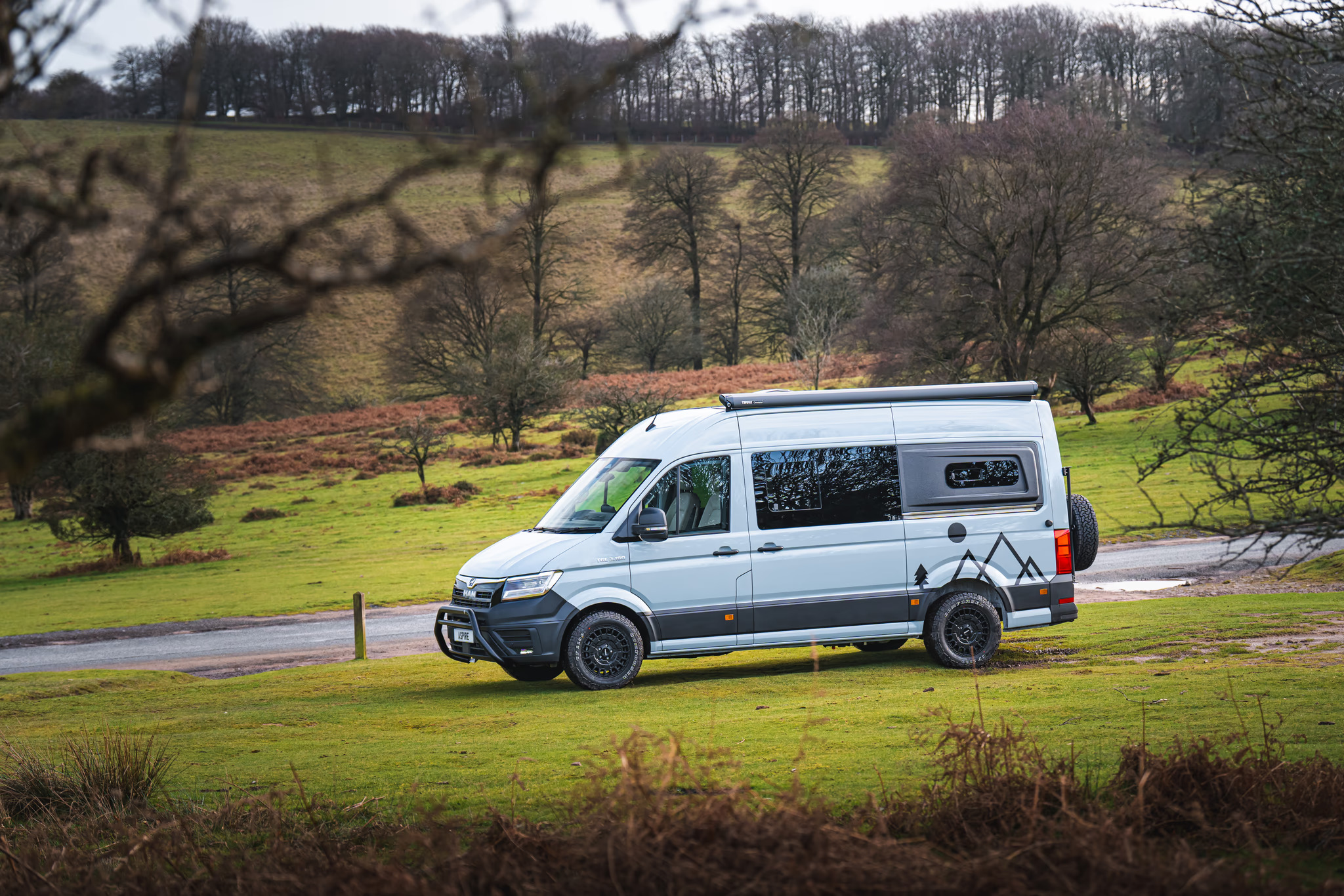
Winter Care for Your Campervan: A Taylored Guide to Protecting Your Van - Updated for 2025
Learn how to winterise your campervan, from protecting your van through winter and how to keep it adventure-ready for spring.
Winter Care for Your Campervan: A Taylored Guide to Protecting Your Van Through the Colder Months - Updated for 2025
When winter settles in and the adventures slow down, your campervan often spends more time on the driveway than out on the open road. But cold weather, damp conditions and long periods of downtime can quietly take their toll on your van — unless you give it a little seasonal TLC.
At Taylored Campervans, we understand the importance of maintaining your van in top condition throughout the year. A few preventive steps during winter can save you money, extend the life of your systems, and ensure your camper is ready to hit the road the moment spring returns.
This guide brings together our essential winter care tips — including a full breakdown of how to protect your water system — so you can keep your van healthy, dry and adventure-ready.
Why Winter Maintenance Matters
Cold temperatures, gritted roads, shorter days and moisture all have an impact on your campervan’s exterior, interior and electrical systems. Winter care helps you:
- Avoid frost damage
- Keep batteries performing well
- Stop mould and damp forming
- Prevent leaks and cracked pipework
- Maintain paintwork, seals and fittings
- Reduce repair costs in the long run
A little attention now goes a long way once the warmer months return.
1. Regular Cleaning Through Winter
Winter dirt and road salt are tough on your van’s exterior. Cleaning regularly keeps everything protected and looking its best.
- Clean solar panels (especially MIPV CIGS panels) so they keep topping up your batteries
- Clean door seals and hinges regularly to prevent corrosion and grime accumulation
- Wash the bodywork after driving on wet or gritted roads
A clean van is a healthy van — especially during winter.
2. Protecting Your Water System for Winter
Your campervan’s water system is the most vulnerable part of the van when temperatures drop. Any water left inside tanks or pipework can freeze, expand and cause damage.
Step 1: Drain the Entire System
Before the cold sets in, make sure all water is removed:
- Turn off the water pump
- Open all taps (hot and cold) to release pressure
- Drain the fresh water tank using its valve or cap
- Empty the hot water tank if fitted
- Open the wastewater tank valve and let it fully drain
Once everything is empty, briefly turn the pump back on with taps open to push out any remaining drips. Don’t run it dry for long.
Step 2: Add Food-Safe Antifreeze (Optional for Harsher Winters)
If your van is stored outside or you expect frosty nights:
- Use non-toxic, drinking-water-safe antifreeze
- Pour small amounts into taps and shower drains using a funnel
- Run the pump momentarily to circulate it
- Check for leaks around fittings
This adds an extra layer of protection during prolonged cold snaps.
Step 3: Protect the Exterior
Even insulated tanks can be affected by freezing temperatures.
- Keep snow and ice away from exposed pipes
- Make sure drain points are clear
- Park under a shelter where possible
Good airflow and insulation help prevent frost damage to tanks and pipe runs.
3. Keep Your Batteries Charged
Cold weather drains batteries faster, and long periods of inactivity can reduce their lifespan.
Whether your system uses Clayton LPS, Fogstar Lithium or Victron, these steps apply:
- Plug in every couple of weeks if not driving
- Keep the vehicle and leisure batteries topped up
- Check connections for corrosion
- Keep solar panels clean so they can trickle charge
Healthy batteries mean no unpleasant surprises in spring.
4. If You’re Still Using Your Van Through Winter
Plenty of Taylored owners adventure all year round — and winter travel is brilliant when you’re prepared.
Here’s how to avoid mid-trip freezing:
- Keep a tap slowly dripping overnight to stop water freezing
- Use your diesel heater’s timer to maintain a stable interior temperature
- Fill tanks only when needed; keep them empty between trips
- Park in sheltered or sunny spots
- Check temperatures around tanks and pipes if a cold snap is forecast
A little planning means you can enjoy frost-covered mornings without worrying about burst pipes.
5. Keep Air Circulating
A closed-up campervan in winter becomes a breeding ground for moisture. Without proper ventilation, you'll quickly face condensation, mould growth and that unmistakable musty smell.
- Use moisture traps or a small dehumidifier
- Clean and air out the fridge, leaving the vent open
- Open doors, windows or the pop-top on dry winter days
- Leave cupboard doors and storage areas ajar
Even brief periods of fresh air circulation can prevent damage to upholstery, canvas and interior surfaces, keeping your van fresh and ready for your next trip.
6. Regular Winter Check-Ins
Even when parked, your van still needs an occasional check over:
- Look for drips or leaks under the vehicle
- Make sure no condensation is building up
- Check that seals, latches, and hinges move freely
- Confirm your batteries are still receiving a charge
- Keep an eye on tyre pressures as temperatures drop
Catching small issues now avoids bigger repairs later.
Final Thoughts
Winterising your Taylored Campervan doesn’t have to be complicated — it’s all about taking simple steps to stay ahead of the cold:
- Drain and protect your water system
- Keep your van clean
- Maintain your batteries
- Ventilate the interior
- Check over the van regularly
By giving your camper a little care through winter, you’ll save money, avoid damage and make sure it’s ready for effortless adventures when the warm weather returns.
If you need any advice, want product recommendations or would like us to take a look at your system, just get in touch. And don’t forget — our full video guide is available in the Taylored Campervans customer portal.
Stay warm, stay safe, and enjoy planning your next adventure.